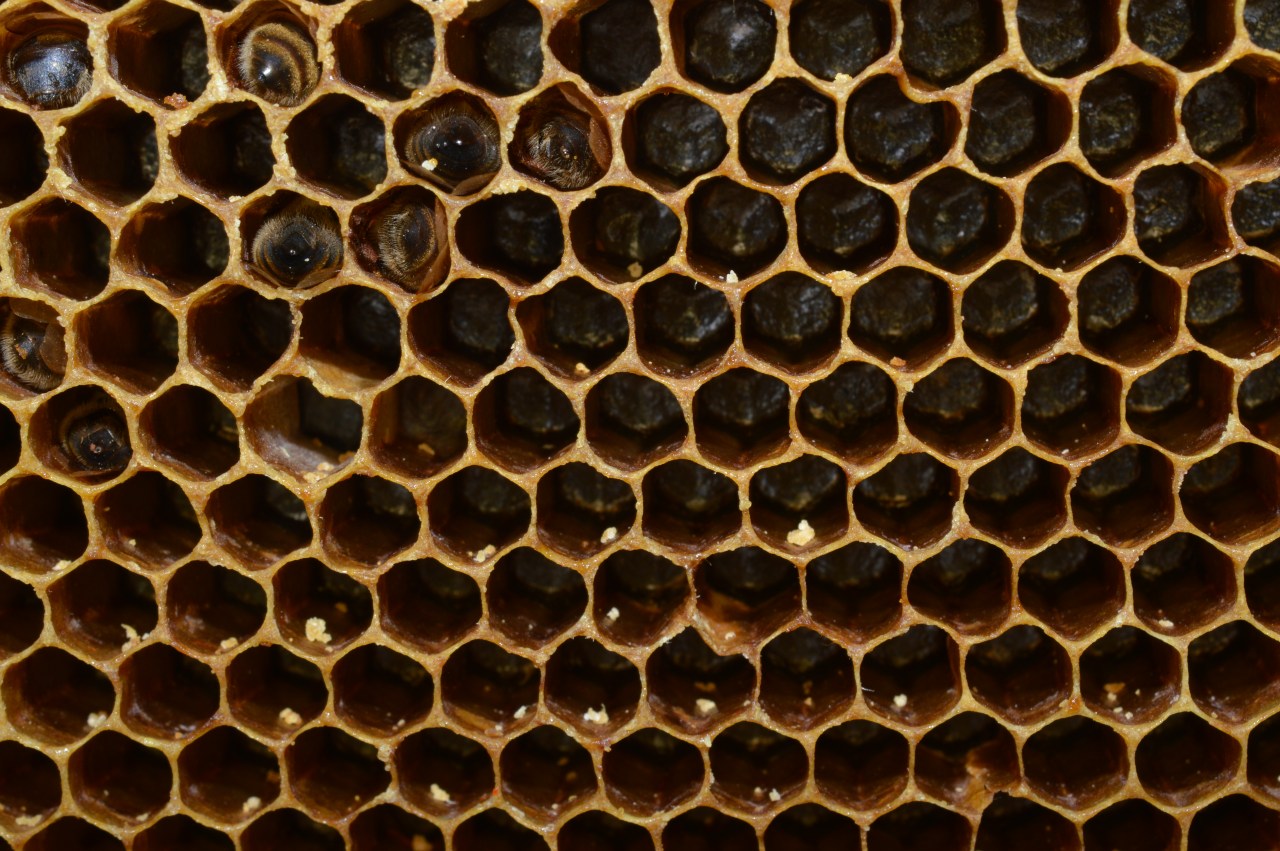
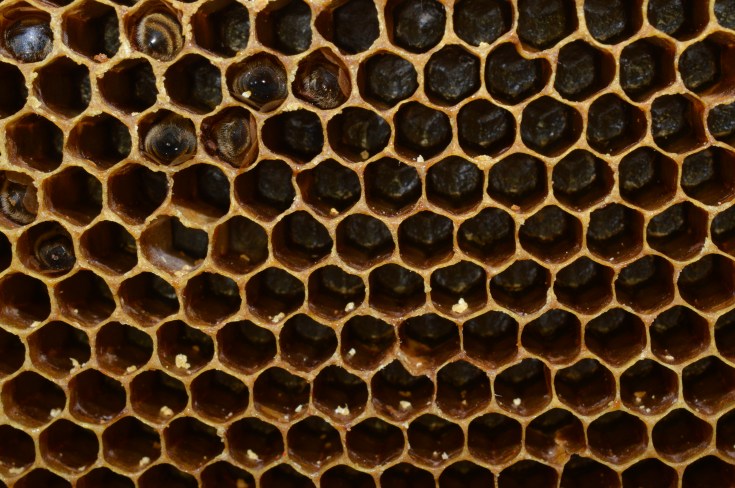
100% loss

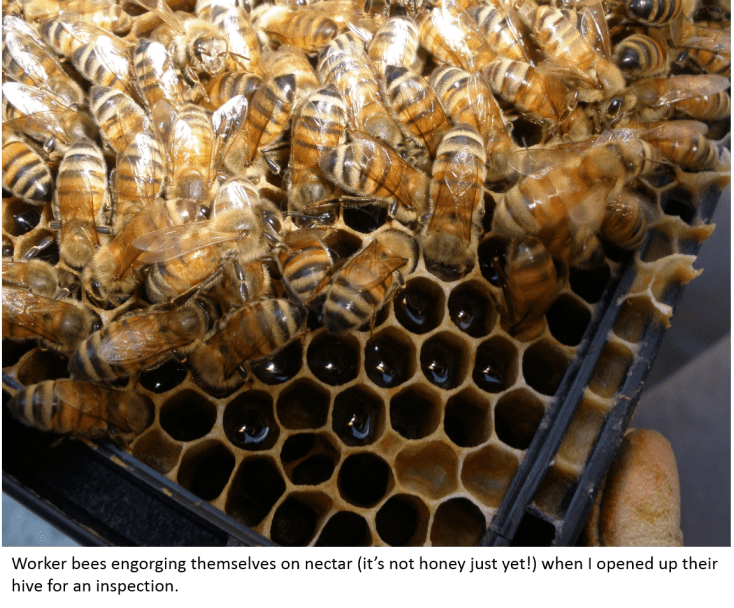
My very first Langstroth hive did not make it through the winter. It’s always a gamble going into the New England winter. Especially when you only have one hive…you either end up with 100% success or 100% loss (beekeepers often report their winter success in the percent of hives that made it through). As soon […]
Read more

Balance is key

Recently, Harmen P. Hendriksma and Sharoni Shafir of the Bee Research Center at the Hebrew University of Jerusalem, Rehovot, Israel published a paper entitled “Honey bee foragers balance colony nutritional deficiencies.” Anyone who knows me or my research might know that I have been waiting (slightly impatiently) for this full paper to become available. Finally, […]

Read more

Neotropical pollinators

Since I have a photo album dedicated to the neotropical pollinators that I was lucky enough to see, I figured I would write a post with some more detail about their diversity! First off, what does “neotropical” actually mean? Simply, it means Central and South America (shaded in the map below). More scientifically, “neotropical” is […]

Read more

What's that smell?

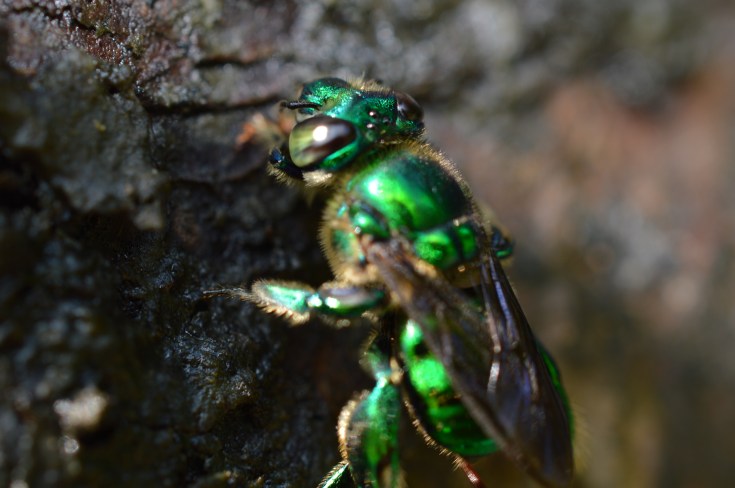
After returning from Costa Rica, it’s hard to decide what to write about—there’s so much! I saw amazing plants and animals, released baby sea turtles, made great friends, conducted research, and ate a LOT of rice and beans. This first Costa Rica-themed post will focus on a particular pollinator I fell in love with: the […]

Read more

Stop copying me!

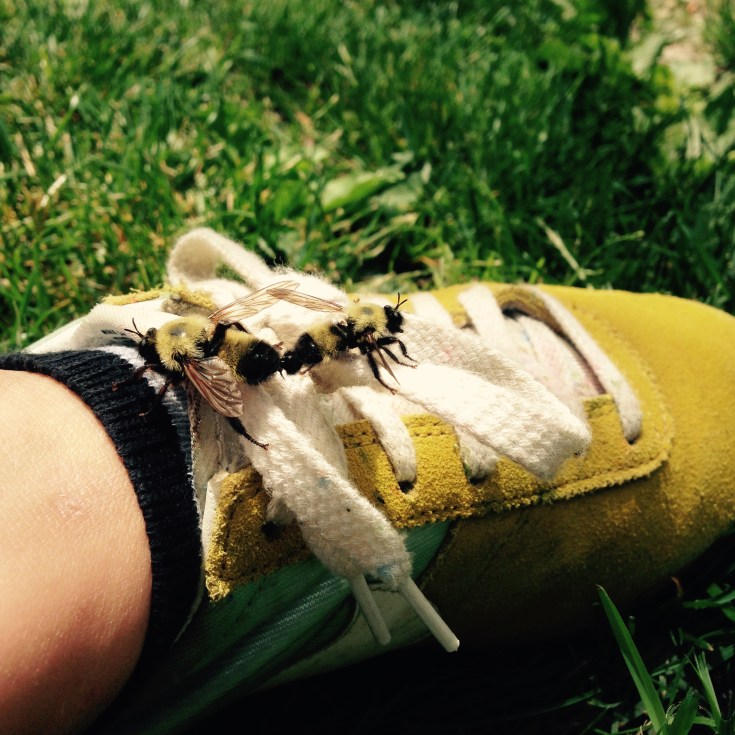
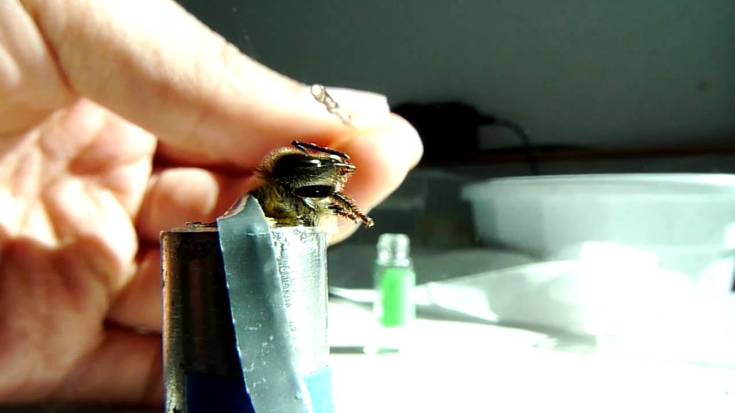
There are a lot of bee mimics out there. Some are so good that they trick people who spend a lot of time with bees (like myself)! To the right is a photo of me with one of those mimics (photo credit goes to Clint Perry, a Tufts graduate student in the Psychology department). At […]

Read more

#ProtectingPollinators

This past week I attended the First Annual Protecting Pollinators in Ornamental Landscapes Conference in Hendersonville, NC. When it comes to protecting pollinators, a lot of research focuses on honey bees, pathogens, pesticides, and the current state of agriculture however, most of us encounter pollinators in the ornamental landscape (i.e. urban environments, backyard gardens). At […]

Read more

It's that time of year

Acutally, this video was taken a little over a month ago so it is a bit past that time of year. During late summer/early fall, honey bee hives prepare for the winter by kicking out the males (a.k.a. drones). In this video, you can see the smaller (female) worker forcefully removing a larger (male) drone […]

Read more

Georgia Beekeepers Association Fall Conference

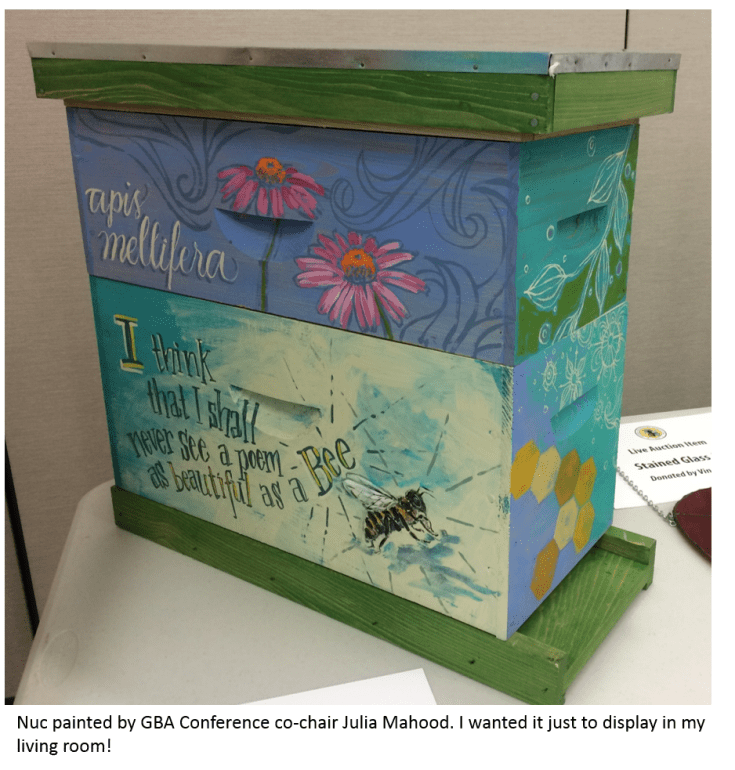
This past weekend, I had the honor of speaking at the Georgia Beekeepers Association (GBA) Fall Conference and it was a blast! At the conference, I led two breakout sessions on honey bee physiological and behavioral immunity, gave a talk about my recent findings on honey bees and dirty water, learned some really cool (and […]

Read more

Honey life list

If you asked 12 year-old me if I liked honey, the answer would have been a hard no. If you asked a more open-minded 20 year-old me the same question, the answer still would have been no. If you asked me that same question today, the answer would be a bit different: heck yes! Growing […]

Read more

Powdered bees

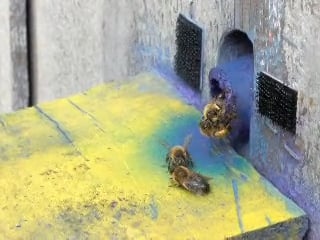
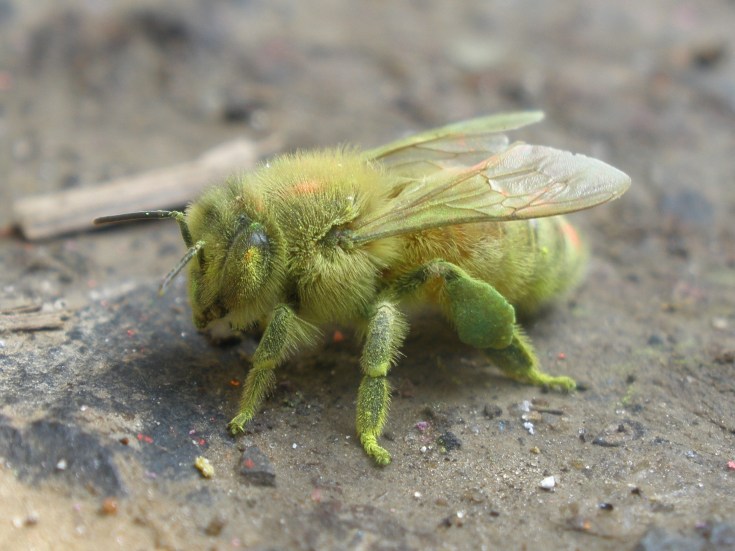
As described in my last post (Battling Bees), my current research project involves mass-marking bees from 8 separate observation hives so I can determine mineral preferences of each individual hive, and track how those preferences might correlate with hive health. To mark the bees, my summer interns (four industrious interns over two separate summers) and […]

Read more