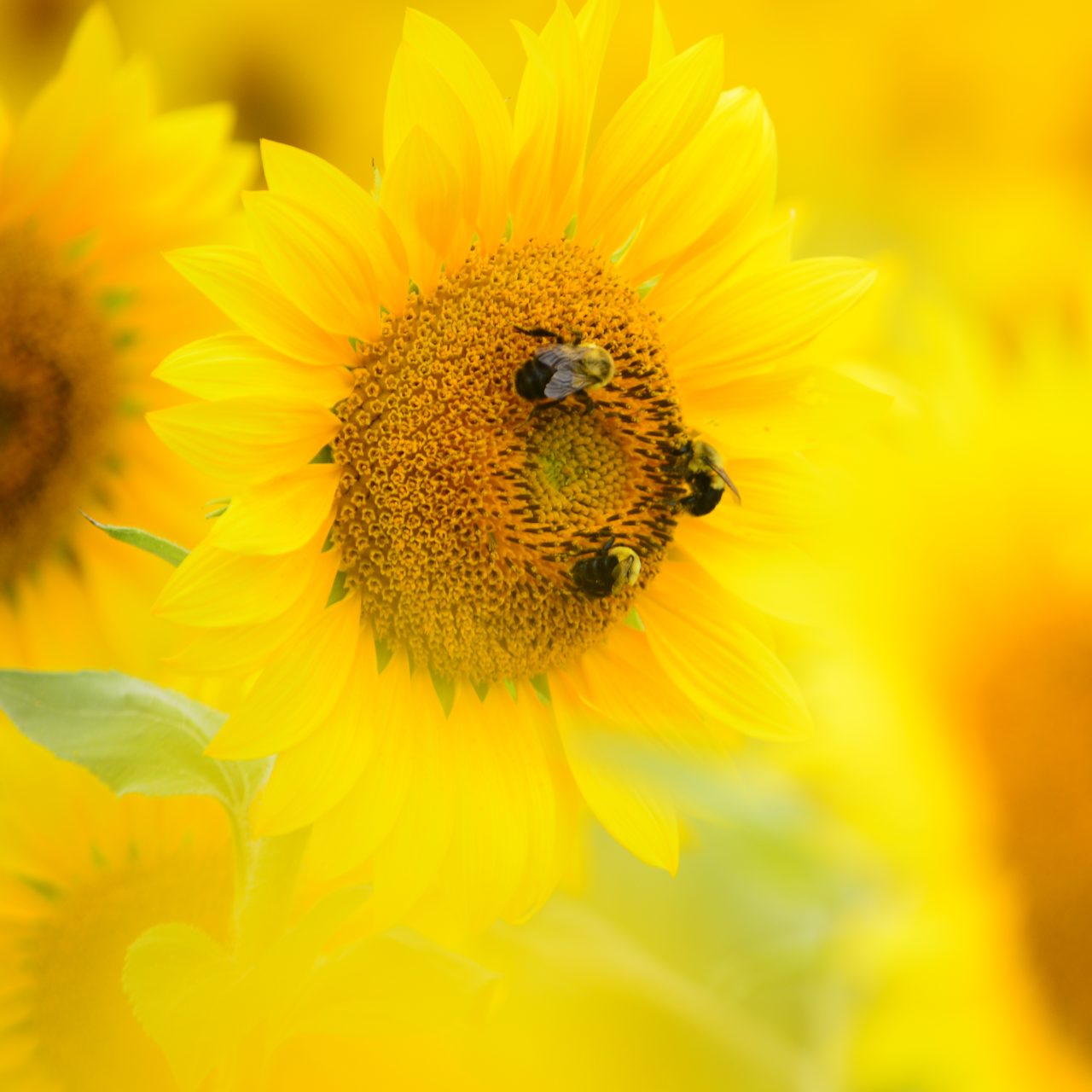
This year marks my first bee installation! Although I have been studying and keeping bees for about 3 years now, I had only worked with observation hives. I don’t actually install the bees in the observation hives—I bring empty observation hives to our bee guy (Rick Reault, owner of New England Beekeeping). Then, Rick installs […]
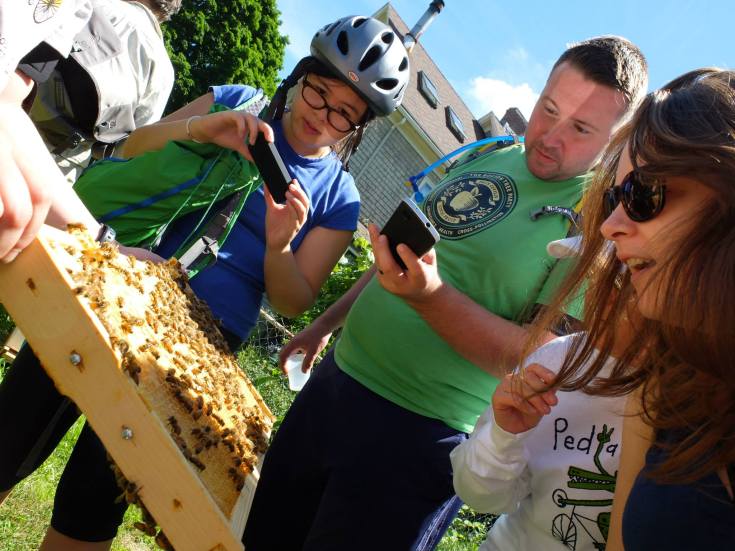
The Starks Lab is ready for Tour de Hives 2016!
As some of you may have seen on Facebook, the Starks Lab “bee huts” got a serious facelift this summer. During the first week of the Tufts University Research Experience for Undergraduates (REU) Program, we were landscapers, painters, and carpenters—and it was a blast! Although I am a field biologist, I can honestly say that […]

Things that live in bee hives (other than bees)
Of course bees live in bee hives. When a managed Langstroth hive is abandoned by its bee inhabitants however, it becomes a nice home for a few other animals. An abandoned bee hive is a wonderful home for mice. This is particularly true in the wintertime (it’s warm). Thus, in the winter, many beekeepers put […]
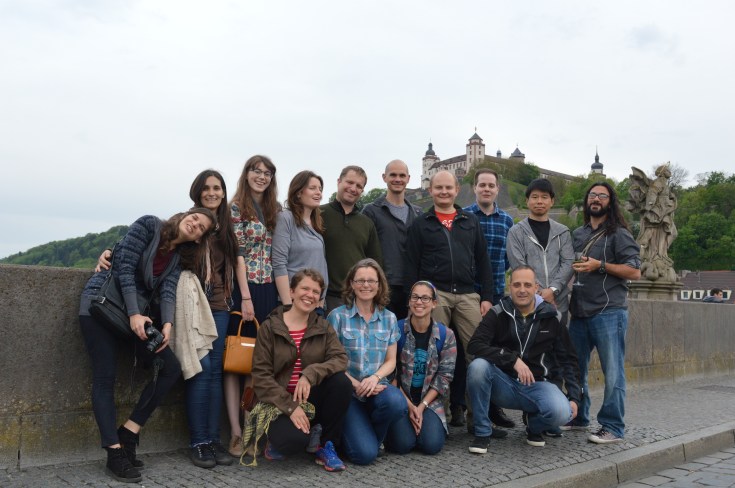
Das ist cool
Last week, I was lucky enough participate in the first ever Plant and Pollen Metabarcoding Workshop at the University of Würzburg in Würzburg, Germany. The workshop was organized and led by Dr. Alexander Keller. In addition to Alex, we had two amazing teachers: Wiebke Sickel (PhD student, teacher for the lab portion), and Markus Ankenbrand […]
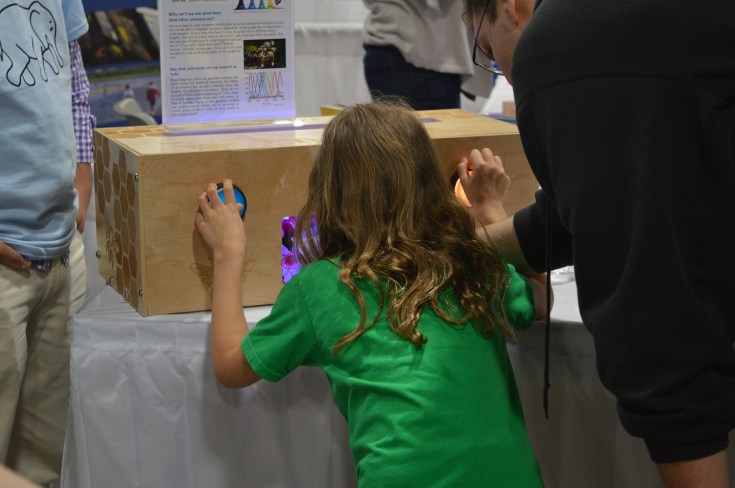
The Bee Box
Last weekend, I was a part of the Tufts University Biology Union of Graduate Students (BUGS) booth at the USA Science and Engineering Festival. The theme of our booth was “Life is Communication.” To prepare for the festival (we started preparing about a year ago), we formed committees to create various interactive activities to showcase. […]
100% loss
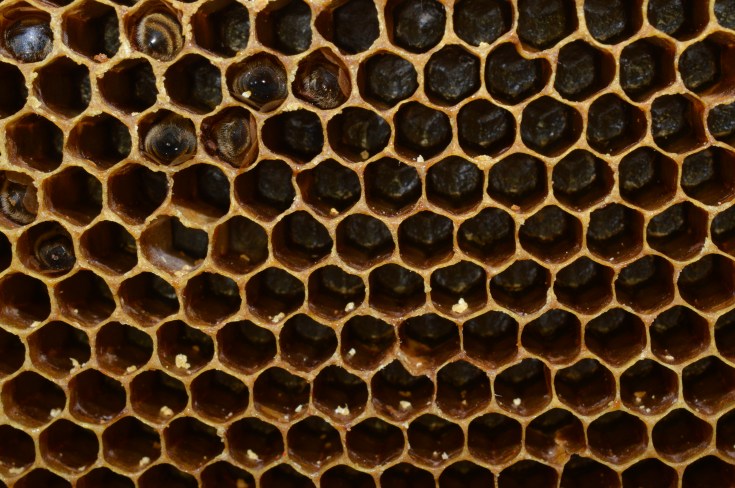
My very first Langstroth hive did not make it through the winter. It’s always a gamble going into the New England winter. Especially when you only have one hive…you either end up with 100% success or 100% loss (beekeepers often report their winter success in the percent of hives that made it through). As soon […]
Balance is key
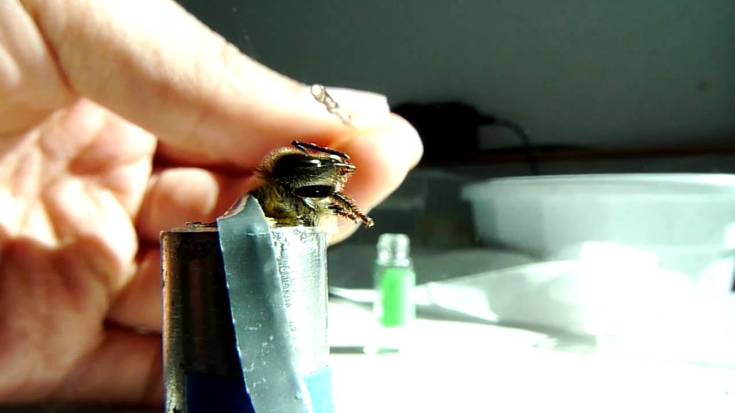
Recently, Harmen P. Hendriksma and Sharoni Shafir of the Bee Research Center at the Hebrew University of Jerusalem, Rehovot, Israel published a paper entitled “Honey bee foragers balance colony nutritional deficiencies.” Anyone who knows me or my research might know that I have been waiting (slightly impatiently) for this full paper to become available. Finally, […]
Neotropical pollinators
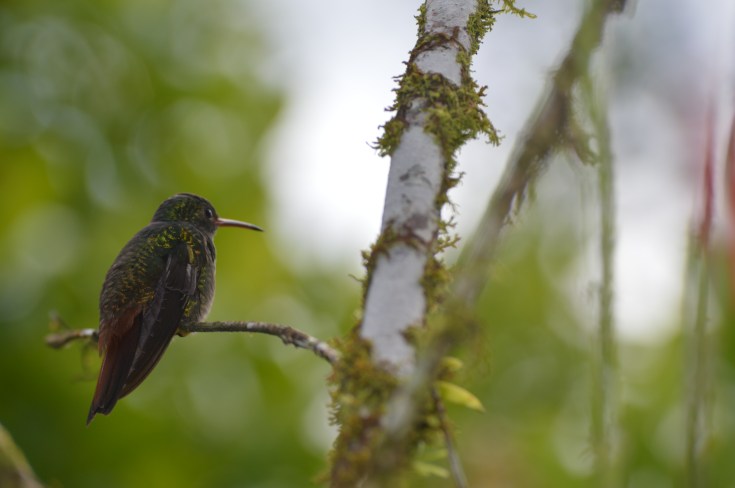
Since I have a photo album dedicated to the neotropical pollinators that I was lucky enough to see, I figured I would write a post with some more detail about their diversity! First off, what does “neotropical” actually mean? Simply, it means Central and South America (shaded in the map below). More scientifically, “neotropical” is […]
What's that smell?
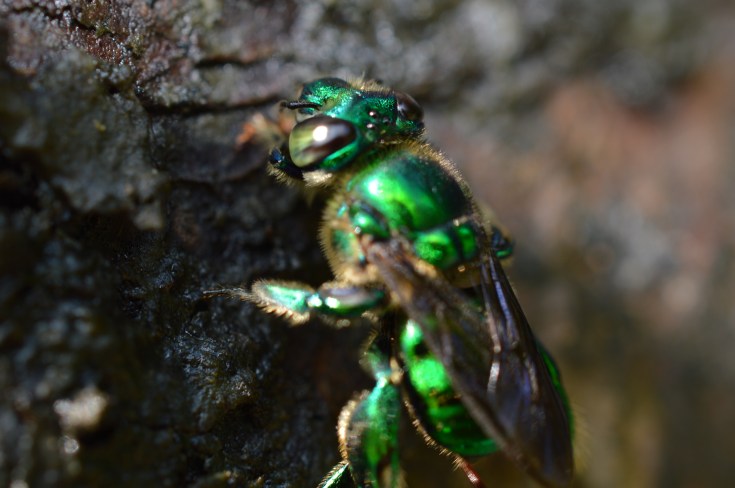
After returning from Costa Rica, it’s hard to decide what to write about—there’s so much! I saw amazing plants and animals, released baby sea turtles, made great friends, conducted research, and ate a LOT of rice and beans. This first Costa Rica-themed post will focus on a particular pollinator I fell in love with: the […]
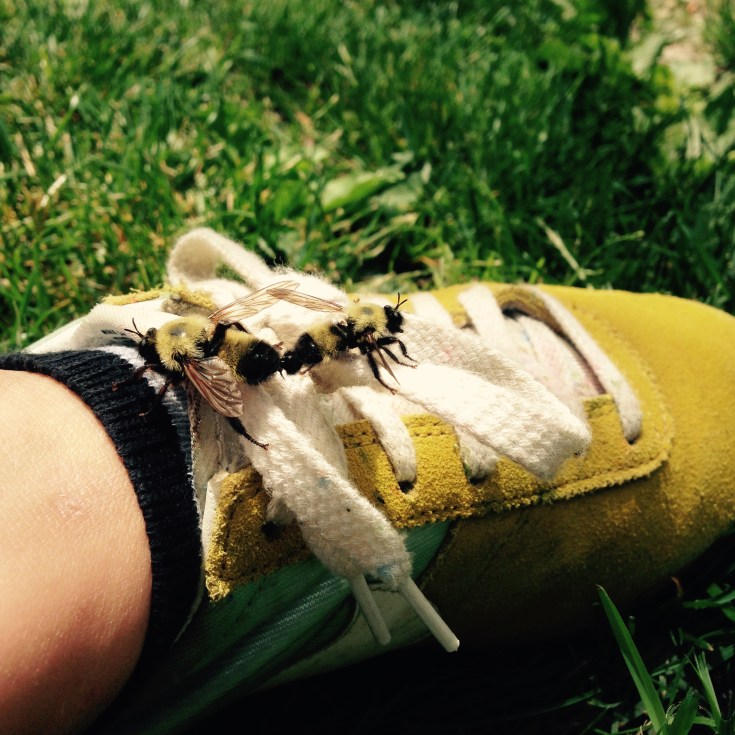
Stop copying me!
There are a lot of bee mimics out there. Some are so good that they trick people who spend a lot of time with bees (like myself)! To the right is a photo of me with one of those mimics (photo credit goes to Clint Perry, a Tufts graduate student in the Psychology department). At […]
 Providence Pollinator Lab